A fence is intended to be the peaceful work of your property, doing its task without dramatization. Wind is different. In exposed locations, wind transforms every weak link, every loose board, and every "adequate" layout into an issue you can see from the road. I have actually seen fencings lift at the bottom rails, rack out of positioning, and spin around posts that were established too shallow or secured with the wrong hardware. The bright side is that wind resistance is not enigma. It is layout selections, proper setup, and equipment that matches the site.
If you are working with a Best Fence Contractor or a Best Fencing Company, or if you are comparing deals from Best Fencing Installers and Best Fencing Builders, the information below are the stuff that separates a fencing that looks straight on the first day from one that makes it through multiple seasons.
Start with website fact, not fencing brochures
Wind habits changes quickly throughout a map. A community that feels protected in winter can get harsh gusts throughout summer season tornados if your great deal beings in a funnel, beside a field, or along a ridgeline. Before any individual talks style, the most effective fencing award winning fence company installers treat wind like a site-specific requirement.
From the field, the most valuable inquiries tend to be useful:
- What instructions do the toughest dominating winds hit the property? Are there fully grown trees that block wind most of the year, or were they removed? Is the fence line near a corner lot, a driveway mouth, or an open backyard where air accelerates? Does snow load or fallen leave particles collect against the fence face, effectively transforming gaps right into a solid wall surface over time?
You do not need a meteorological record to make clever choices. You need an installer that will walk the line, consider direct exposure, and suit material, spacing, and bracing to that exposure.
Even a basic dimension helps. If you know the approximate fence elevation and span lengths, the installer can estimate where bending pressures will certainly focus, specifically if there are gateways or adjustments in direction.
Pick a style that handles wind, not a layout that blocks it
An usual error is believing "extra solid amounts to extra wind-proof." In many wind occasions, a fully solid fencing acts like a sail. The air pressure can be solid sufficient to press at the face quicker than the posts and rails can resist.
Wind-resistant fences usually rely upon controlled airflow. That can indicate pickets with spacing, lattice with smaller openings (installed properly so it does not flap), or panels developed with framework that prevents turning. The goal is to decrease stress while keeping side strength.
From an installation perspective, you can construct a solid fence that additionally takes a breath, yet you have to get the geometry right. In time, fences with too much visibility can rack since the structure takes more tons movement. Fences with insufficient openness can act as well rigid and catch wind. The most effective end results come from the right balance for the style.
If you are making a decision in between a solid privacy appearance and a more open design, ask your Best Fence Company what they do on exposed great deals. An excellent Best Fencing Installer can discuss how their normal layout adjustments for windier backyards, as opposed to dealing with every fencing line like it is the same.
Focus on articles: dimension, embedment, and positioning control everything
People often discuss boards, pickets, or panel coatings, but wind resistance lives and passes away at the blog posts. Messages are the anchors for the whole system. If the blog post is also small, established too superficial, or enabled to move while the concrete treatments, the fencing can look fine at first and still stop working during the next gusty stretch.
Embed depth is not guesswork
Embedment is influenced by soil problems, frost considerations in your area, and whether the installer utilizes concrete or one more approved approach. Also if you reside in a place without frost, superficial setting can still result in negotiation, especially in areas with sandy dirts or frequent washout after storms.
For wind tons, much deeper and well-consolidated grounds usually do better than marginal shallow setups. What changes by project is the specific depth and ground diameter, and a credible Best Fencing Builder will either validate neighborhood demands or design for your dirt and exposure. If a person rejects to talk about footing depth or concrete loan consolidation, that is a caution sign.
Post diameter and grade matter
Larger-diameter posts stand up to flexing. Taller fence lines and larger periods enhance flexing demand. The most effective fencing installers treat the blog post size and the rail system as one signed up with structure.
Also take note of the material. Wood posts, particularly those that are not properly treated or are undersized, can twist under duplicated lateral load. Metal posts can be excellent if they are specified appropriately and established with suitable hardware. Compound or plastic can work, yet the architectural framework still needs to be rigid, and the add-on factors require to be designed for wind.
Alignment protects against stress
Wind does not only pull. It likewise compels fences to "hunt" for the course of least resistance. If blog posts are established with sloppy alignment, rails will take bending tons they were not indicated to take care of. Great installers make use of string lines, procedure offsets, and keep every little thing in aircraft. This is just one of those things that seems undetectable till you see just how a fencing holds after a storm.
Span length and bracing choices: where stamina is gained
The range between blog posts (span size) is a major chauffeur of how much a fence can flex. Longer spans are much more at risk due to the fact that the rails and pickets imitate a lever in between supports.
In revealed areas, the most efficient improvement is frequently reducing span length or adding correct bracing. That can imply even more blog posts along the run, or it can imply a bracing method at key points such as corners, finishes, and gate openings.
A fence is not packed uniformly the way many individuals imagine. Wind gusts hit and after that surge, so the greatest loads normally turn up at corners, fence ends, and around gateways. If those places are just gently constructed, they end up being failing factors also if the straight runs look fine.
Gates deserve the exact same seriousness as architectural walls
A gateway is primarily a relocating structure. It includes vibrant lots during wind events, and pivots concentrate anxiety. Several fencing failures start with an entrance that sways more than it should, then transfers activity into the adjacent messages and rails.
Ask your Best Fencing Contractors or Best Fencing Companies what they do for gateway bracing in windy yards. The best installers make the gate to withstand racking, use joint placement and hardware matched to weight and height, and straighten eviction so it does not massage or droop under gusts.
Rail and fastener details: the "small" components that move large forces
Wind-resistant fences are frequently built with robust rails and bolts that stay tight after temperature swings. A fencing that squeaks and shifts as it warms up is a fence with joints that are shedding tension.
Use the appropriate rail configuration
Many fencings make use of one or two rails depending upon the style and height. Taller fencings benefit from more rail assistance. Larger picket spacing can need more powerful rail structure due to the fact that the fencing face acts differently under load.
But rails are not nearly amount. Their placement issues. If rails are installed inconsistently, the lots transfer becomes uneven. Installers that make the effort to maintain regular rail elevations and spacing normally end up with fewer twisted panels and much less message torque after storms.
Fasteners ought to be corrosion-resistant and correctly driven
Fasteners are one more place where real-world performance depends upon details. In coastal or damp environments, the deterioration resistance of screws, nails, and brackets impacts whether joints stay stable.
If an installer uses fasteners that are too little or does not https://www.urbansplatter.com/2026/08/best-fencing-contractors-in-melbourne-2026/ seat them correctly, the timber can divide around the edges or the joint can loosen over time. Over-driven screws can strip the wood. Under-driven screws can leave voids. A great Best Fence Installer checks the fit as they go.
For plastic, composite, and specific steel systems, hardware option adjustments once more. Compatibility matters since different products expand and agreement in different ways. Hardware that works for one system can trigger tension breaking or warping in another.
Concrete treating time and operations: don't rush the structure
Wind-resistant fencings need time for their framework to stabilize. During curing, the article should not move. If the installer backfills or braces badly prior to the concrete collections, it can lock in a slight lean. A fencing that is somewhat out of plumb may look appropriate, but wind lots will certainly amplify that tilt and twist.
From the area, the "thrill" normally turns up in 2 ways: backfilling without correct supporting and servicing nearby spans that indirectly move the messages. The most professional staffs maintain the workflow arranged so each blog post is secure when it requires to be.
If you are present for installment, you can ask how they brace blog posts throughout setup and curing. The solution must appear calculated, not casual.
Wind-driven failing modes you can identify early
A fencing does not constantly fail catastrophically. Typically it reveals indication that are visible if you recognize what to look for.
After a windy occasion, I suggest doing a fast visual scan along the run. Try to find:
- gaps that open near the bottom rail or in between pickets that did not exist before diagonal imbalance in between sections near corners or ends loosened equipment at rails, specifically if you see corrosion spots or fresh movement gate sag or a lock that no longer align cleanly posts that lean or show up to "turn" about neighboring posts
If your Best Fencing Builder offers a warranty, you still want to catch troubles early. Fixing a loosened up connection without delay typically sets you back far less than re-building a run.
Soil and drain: the hidden variable in wind performance
Wind lots is just half the formula. The other fifty percent is what the ground does under side force.
Some soils drain pipes well and provide firm support. Others can soften after heavy rainfall. If water pools near the fencing line, the dirt can shed birthing toughness. That causes publish motion, which minimizes overall fence strength. After that the following wind occasion does more than push. It warps.
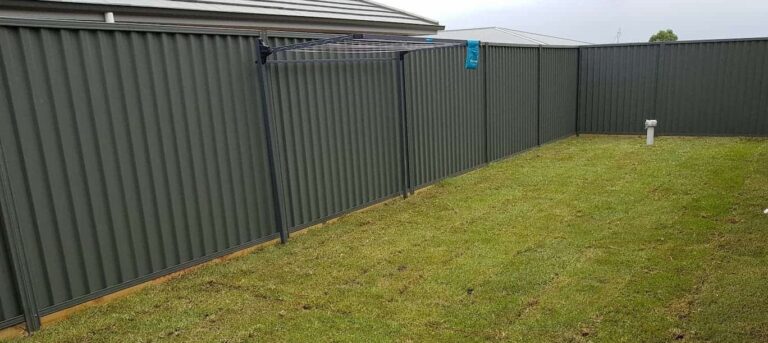
A strong installer represent drain patterns and dirt firmness. They do not just dig openings. They evaluate problems as they dig, and they adapt footing size and embedment method appropriately. If you are interviewing Best Fencing Installers, ask about exactly how they handle damp or sandy ground.
You do not require to come to be a geotechnical engineer to acknowledge profundity. An installer who is comfortable clarifying how they resolve dirt irregularity is generally the one who will do it correctly on your property.
Wind exposure upgrades: what "best" resembles in practice
When people state "finest," they commonly imply "overbuilt." Overbuilt can be pricey, yet the very best wind-resistant secure fencing upgrades are hardly ever concerning losing material. They have to do with targeting the weak points.
The typical upgrades that matter most, specifically on exposed runs, include:
- shorter extends so the fencing face can not rack as much increased blog post size or a far better message profile stronger supporting at edges, finishes, and gate zones reinforced rail structure matched to the fence height hardware and bolts developed for corrosion resistance and long-term joint stability
A great Best Fencing Contractor will certainly recommend enhancements based upon your details direct exposure, not based upon what they always install.
Working with corners, finishes, and obstructions
Wind loves changes. A straight run has regular loading. A corner or fence end modifications pressures. Trees, shrubs, and structures transform airflow patterns. Driveways disrupt the line, and that disruption creates different pressures across neighboring spans.
Installers that construct for wind treat these locations as engineered points. An edge requires restriction so the fencing does not "open" under gusts. Fencing finishes require the same concept due to the fact that completion message becomes the anchor for the last bar arm.
Obstructions additionally produce restrictions. If your fencing should run around a maintaining wall surface, with a narrow backyard edge, or near a slope, the footing and article embedment technique might require adjustment. The very best installers keep the structural continuity and avoid the lure to patch vulnerable points after the fact.
Picking products for wind: timber, steel, and composite considerations
Material impacts both strength and upkeep. Wind resistance is not simply strength, it is long-lasting security under expansion, contraction, and weathering.
Wood fences can be exceptional when properly constructed with treated lumber, appropriate attachment, and constant span layout. The weakness turns up when wood divides, rails loosen, or boards warp, creating racking possibilities. Appropriate hardware and good joinery decrease these issues.
Metal blog posts can include rigidity, particularly when they are specified and set correctly. Yet steel needs suitable braces and proper rust security. If you mix systems poorly, you can get loosening at the joints as a result of movement and corrosion.
Composite and vinyl can look great, however they rely on framework strength and appropriate attaching information. Some systems are strong in straight runs yet can have a hard time at shifts if bracing is not consisted of. The "look" issues less than the internal structure and just how the panels attach.
Whatever the material, the best fencing installers treat the fencing as a system, not a collection of parts.
A practical checklist for wind-resistant installment day
If you are collaborating with a Best Fence Company or any professional, you can utilize an easy on-site checklist to capture issues without ending up being excessively technological. This is the kind of checklist I wish every home owner obtained before signing.
- Confirm message spacing matches the design for wind direct exposure, specifically near edges and gates. Ask how messages are braced throughout setup and when concrete backfill is completed. Verify consistent placement using string lines or equal methods. Check bolt kind and corrosion resistance for your environment. Inspect rail add-on points for tight joints and no visible gaps.
If the answers feel unclear, or if the crew ignores these basics, you are taking a risk you will certainly spend for later.
Interviewing contractors: concerns that separate "good" from "fantastic"
You can find lots of companies that will develop a fencing. Less will certainly develop one that performs with wind, rain, and seasonal movement.
If you want to review Best Fencing Installers, Best Fencing Builders, or Best Fence Contractors, ask concerns that require uniqueness. The goal is to discover whether they believe in lots paths and details, not just aesthetics.
Here are the inquiries that have a tendency to expose the fact promptly:
- How do you change post spacing and bracing for greater wind exposure? What is your technique for gate bracing, hinge equipment, and alignment? What ground and embedment method do you use for my dirt and region? How do you ensure posts stay plumb while concrete sets? What fasteners and equipment do you use, and why those specific choices?
You are not attempting to win a disagreement. You are attempting to see whether the installer's process corresponds and defensible.
A Best Fencing Company that has actually done numerous wind-exposed builds will generally have clear, repeatable answers. If the feedback sounds like guessing, you can presume the construct will certainly reflect that.
Maintenance after tornados: keep tiny problems small
Even a well-built wind-resistant fencing can need interest. The trick is acting early. A fast upkeep routine can keep small motion from turning into structural looseness.
After heavy storms, particularly if you see unusual sound or changing, tighten up hardware where ideal, replace any kind of broken pickets or panels, and inspect that gates swing openly without dragging. If you see an article that has actually changed, do not ignore it. Lateral activity is the seed of larger failures.
If you have a guarantee, comply with the guarantee requirements so you do not mistakenly void protection by utilizing inappropriate replacement parts.
Common errors I see, and what I would do instead
Wind performance is where faster ways appear. I have seen sufficient "virtually great" fences to acknowledge the patterns.
One error is utilizing the same span and supporting pattern for all lawns. An additional is avoiding supporting at corners and ends since they look "minor." One more is using fasteners that are not right for the environment, which results in progressive helping to loosen. And one of the most costly mistakes is hurrying concrete healing and enabling posts to move also somewhat while the setting changes.
The solution in each instance is various, however the principle coincides: match the fence design to the wind and build with adequate rigidity at the tons points.
A Best Fence Builder that is significant regarding wind resistance need to help you avoid these issues prior to they happen, not clamber after the very first windy weekend.
Matching fencing height to wind demands
Height is not simply appearance. Taller fencings have higher wind location, and the bending pressures enhance as the wind presses higher up. A fence that is acceptable at 4 feet can act in different ways at 6 feet or 7 feet, particularly if the lawn is exposed.
If you are considering boosting elevation, ask the installer what adjustments they will certainly make to upload spacing and rail framework. Wind-resistant designs typically count on compromises: you might utilize shorter spans, include bracing, or select a much more wind-permeable design so the structure does not need to be ridiculously heavy.
The best installers explain the compromises instead of simply upselling.
Final word you can utilize when contrasting quotes
If you are contrasting propositions from Best Fencing Contractors, Best Fencing Companies, Best Fence Contractors, and Best Fence Installers, do not contrast only line things like "variety of panels" or "complete products." Contrast the architectural plan. The quotes need to mirror decisions about messages, embedment approach, span spacing, supporting strategy, hardware choice, and just how gates are reinforced.
A fencing developed for wind is hardly ever regarding one significant renovation. It is the amount of smaller proper choices, made regularly. When those choices are right, the fencing does what you want: it stays directly, stays safe and secure, and maintains doing its task after the gusts pass.
If you inform me your fencing elevation, approximate run size, material you are thinking about, and whether your backyard gets on an edge, near an area, or in an especially revealed area, I can recommend what details to particularly ask each specialist so you can divide "looks sturdy" from "built to resist wind."